General information

Retinopathy of prematurity (ROP) is a disease of the immature retina characterized by the cessation of its normal vascular development. It is the leading cause of blindness in preterm newborns (PTNB), affecting between 25-35% of those born before 28 weeks of gestational age, which translates to around 1,500 patients per year in Spain alone. In utero, the retina develops in an environment of relative hypoxia that induces the expression of proangiogenic factors. If premature birth occurs, there is a sudden increase in oxygen availability that inhibits these factors and thus normal vascular development, affecting retinal angiogenesis.

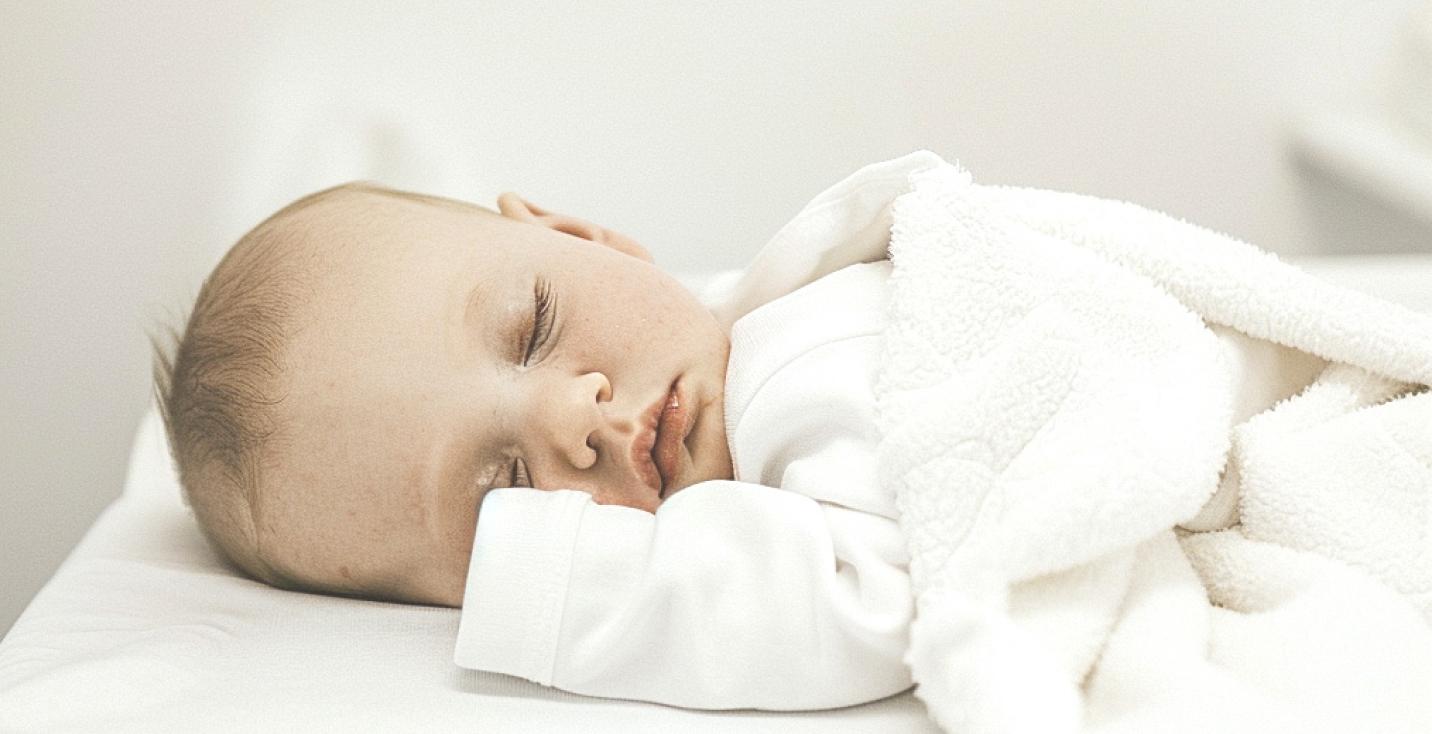
A baby sleeping peacefully on a stretcher

Oxygen is transported to the tissues bound to hemoglobin (Hb). PTNBs possess almost 100% fetal hemoglobin (HbF), which characteristically has a high affinity for oxygen, thereby maintaining low oxygen release at the tissue level, particularly in the retina. The need for frequent blood tests, the low volume of placental transfusion at the time of the fetal-neonatal transition, and the poor reticulocyte response inevitably lead to severe anemia in the first weeks of postnatal life. Between 50%-90% of PTNBs receive at least one transfusion of red blood cell concentrates (RBCC) in the first 4 weeks of life. RBCCs come from adult donors, dramatically increasing the concentration of circulating adult hemoglobin (HbA) in the premature infant. HbA would release up to 50% more oxygen than HbF, generating a hyperoxic stimulus that would alter the redox balance and activate the pathophysiological mechanisms that contribute to the development of ROP. Thus, the literature describes the correlation between the amount of blood transfused throughout the hospitalization of extremely PTNBs and the incidence and severity of ROP.

Neonatal autologous transfusion involves the collection of umbilical cord blood (UCB) at birth for later administration. Its feasibility and safety have been previously demonstrated in small case series in premature patients, and its use is established in term patients in the context of congenital heart disease. Among its advantages are its complete compatibility and the maintenance of physiological HbF concentration. Consequently, the transport and delivery of oxygen to the tissues would remain similar to the fetal stage, avoiding oxidative dysregulation in the retinal capillaries and the genesis of ROP.

The study

Double-blind randomized clinical trial in which PTNBs ≤ 28 weeks of gestational age will receive autologous UCB transfusion or standard adult donor red blood cell concentrate transfusion.

Hypothesis

Autotransfusion of UCB compared to standard adult donor red blood cell concentrate transfusion in the first weeks of life in a premature newborn will reduce the incidence of ROP by maintaining the physiological concentration of HbF and thus a tissue microenvironment with less oxygen delivery to the retina. This framework would produce a physiological pattern of biomarkers related to the development of retinopathy, as well as levels of oxidative stress.

Main objective

Evaluate the effect of autotransfusion of UCB compared to standard treatment with adult donor red blood cell concentrate in the prevention of ROP.

A baby sleeping peacefully on a stretcher

Secondary objectives

01

Evaluate the effect of autotransfusion of UCB compared to standard treatment with adult donor red blood cell concentrate in the prevention of ROP.

02

Evaluate the effect of autotransfusion with UCB on oxidative balance.

03

Compare the effect of autotransfusion of UCB on other early and late complications of prematurity.

Inclusion criteria

01

Gestational age less than or equal to 28 weeks.

02

Informed consent signed by parents or legal representative.

Exclusion criteria

01

Major congenital malformations.

02

Critical condition that predicts fatal outcome.

03

Chromosomal abnormalities.

04

Impossibility of randomization or erroneous randomization.

UCB collection and storage

The UCB collection procedure will be carried out according to the protocol designed for this purpose. The blood will be processed, aliquoted, labeled, and destined exclusively for autologous use. Quality determinations of donated blood will be performed according to standards in the Blood Bank service. It can be used for a maximum of 35 days.

Candidate patients will be recruited before delivery. After birth, if a patient presents anemia requiring transfusion according to the criteria in the unit's protocol, the responsible physician will request the transfusion indicating that the patient is part of the clinical trial. The Blood Bank will identify whether the patient belongs to the autotransfusion or control group, and autologous UCB or standard red blood cell concentrate will be provided as appropriate, indistinguishably to the clinical team. Traceability will be maintained at all times through the service's software.

In case of clinical stability and as long as the responsible physician considers it possible, a series of samples will be taken to assess retinopathy markers coinciding with scheduled extractions and after transfusions if necessary. Urine samples will be collected at 24, 72 hours and weekly for the assessment of markers of oxidative stress.

In collaboration with:

Logo of Asociación Española de Pediatria
Logo of Instituto de Investigación Sanitaria La Fe
Logo of Sociedad Española de Neonatología